
Ready to Start Your Minnesota Journey?
Making a move doesn't have to be complicated. We've simplified the process into three easy steps to help you explore whether Minnesota is the right fit for your next chapter.

Step 1: Fill Out the Form
Tell us a little about yourself and what you're looking for in your next move. Whether you're just starting to explore your options or already have a timeline in mind, this helps us understand your goals and priorities.
Step 2: Talk with Charlie
Once we receive your information, Charlie will reach out for a friendly, no-pressure conversation. You'll have the opportunity to ask questions, discuss different communities, learn about housing options, and explore what areas might best fit your lifestyle, budget, and future plans.
Step 3: Live Your New Alabama Lifestyle
When you're ready, we'll help guide you through the transition so you can focus on what matters most—enjoying your next chapter. From beautiful communities to welcoming towns, We can connect you to opportunities for you to enjoy, to have more freedom, more value, and the lifestyle you've worked hard to earn.
Learn More About Living in Minnesota
Complete the form below to receive a RELOCATION GUIDE for additional information about Minnesota communities, lifestyle opportunities, housing options, and resources designed specifically for first responders and frontline professionals.
Why So Many First Responders Are Choosing Minnesota
Minnesota's relationship with the outdoors is one of its biggest advantages. With thousands of lakes throughout the state, there are countless opportunities for fishing, boating, kayaking, swimming, hiking, camping, and simply enjoying the water.
Minnesota's seasons are a major part of the lifestyle. Spring brings fishing, hiking, gardening, and warmer days. Summer opens the door to boating, camping, golf, and time on the lake. Fall brings spectacular colors and crisp outdoor weather, while winter offers snowmobiling, ice fishing, skiing, and other cold-weather activities. The seasons can become part of your routine rather than something you simply endure.
For many veterans, firefighters, law enforcement officers, EMS professionals, nurses, doctors, and other healthcare workers, retirement can bring an unexpected challenge: losing the built-in community that came with the job.
For retirees especially, relocation should involve more than scenery. Access to healthcare, pharmacies, shopping, transportation, restaurants, and other everyday services should be part of the decision.
Ready to Start Your Minnesota Journey?
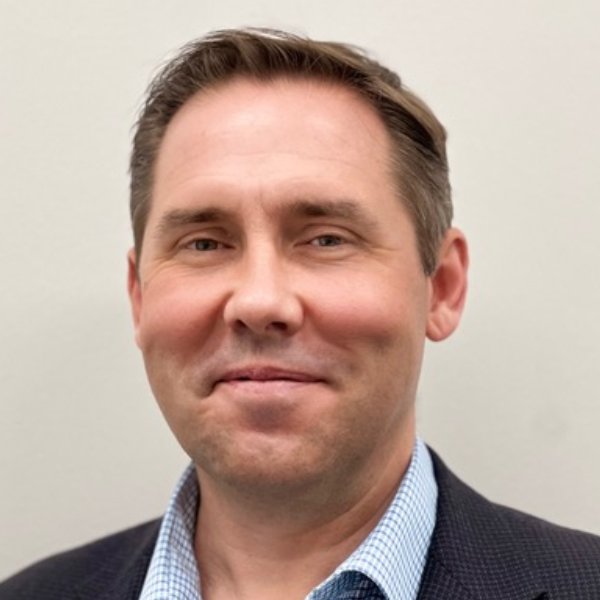
For more than 30 years, I have been actively involved in investing in, renovating, and facilitating the purchase of residential and commercial real estate throughout Michigan and Florida. In addition to my real estate work, I manage From the Badge to the Beach, a referral-based relocation program designed to help individuals identify and transition into ideal retirement and lifestyle destinations.
Before entering real estate full time, I served for 28 years as a police officer. That experience instilled in me the importance of integrity, accountability, and trust, principles that continue to guide how I work with clients today. Since retiring in 2022, I have focused exclusively on helping buyers and sellers navigate the real estate process with clarity and confidence.
With hands-on experience in both Michigan and Florida markets, I provide clients with valuable insight into regional trends, investment opportunities, and strategic property selection. My approach combines market knowledge with innovative search strategies and creative solutions to ensure each client is presented with options that align with their goals.
I live in Livingston County and raised my family in Wayne and Macomb counties, giving me a strong connection to the communities I serve. Beyond real estate, I am deeply committed to supporting the mental health and wellness of first responders, frontline workers, and military personnel through my foundation, Lines of Heroes, which provides resources and support to those who serve our communities and our country.